
PAINSTORM
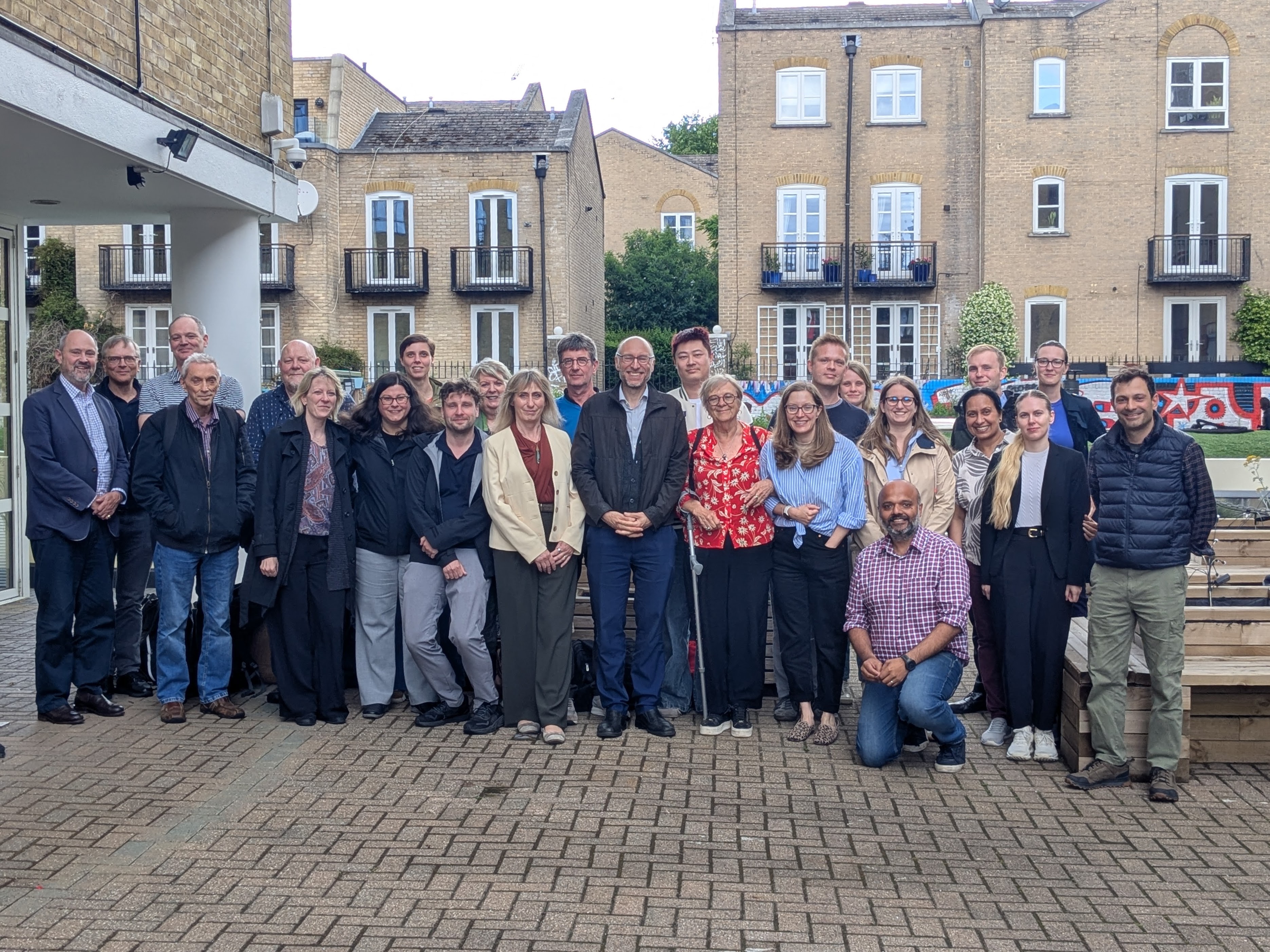
Consortium gathered for final PAINSTORM meeting
15th June 2026
The PAINSTORM met for the last time in person on June 4th and 5th, 2026. We were delighted to welcome over 30 colleagues at the National Council for Voluntary Organisations. Over two days, we took stock of our progress since the early days of the project in 2021. Some highlights from each Work Package include:
- Many participants took part in our clinical studies at the Universities of Oxford and Dundee, and Imperial College London, providing rich, detailed data to support our analyses. The University of Bristol also joined to complement the recruitment of participants with chemotherapy-induced neuropathy.
- People with a variety of neuropathic conditions joined focus group discussions and interviews with the University of Aberdeen. These discussions focused on the lived experience of neuropathic pain and the assessment tools we currently use. They gave us an in-depth view of the reality of living with chronic pain.
- Psychosocial factors have been looked at from many different angles at Ghent University and Kings College London, including: better understanding the content of pain questionnaires; studying the literature on the biopsychosocial model of health; and implementing a pilot study of real-time data collection to capture how a patient's symptoms and emotions evolve during the day.
- Rich imaging and microneurography data has been collected and is being analysed at Oxford, Imperial, and Dundee.
- We used a variety of available data (especially from DOLORisk and UK Biobank) to start the genetic analysis, which we will expand with the PAINSTORM samples. Dundee established a collaboration with a diabetes clinic in Chennai and Imperial have been working with a neurology team in Bangkok, both of which will enable us to compare the genetic architecture of pain across different ethnicities.
- The molecular mechanisms of neuropathic pain are being studied in many different ways, including using neurofilament light chains (a marker of nerve degeneration) with Eli Lilly and building cellular models of novel gene variants involved in neuropathic pain with AstraZeneca. Additionally, we are setting up a legacy system for granting access to samples and data collected in PAINSTORM.
- Harmonisation and quality control of the datasets is ongoing to ensure the highest possible data quality. As we previously developed risk models in DOLORisk, we will test how well they work on the PAINSTORM data. Finally, Ghent have been developing causal models of psychosocial factors and pain, based on expertise from patients, clinicians, and researchers, and we will use these models to guide the data analysis.
A particular highlight of the meeting was looking back on the implementation of patient and public involvement since the inception of PAINSTORM, with the guidance and expertise of our Patient Partners. We reflected on what worked well in PAINSTORM, how to share the lessons we have learnt, and the remaining barriers to meaningful involvement of patients in research.