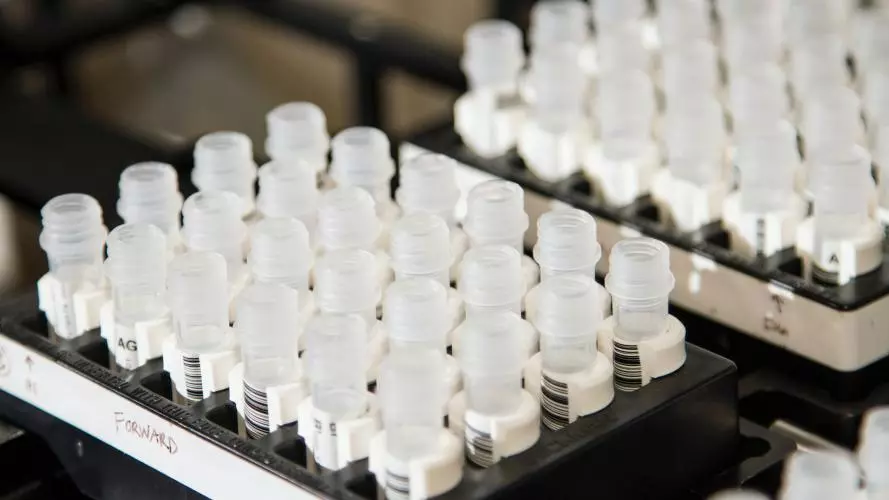
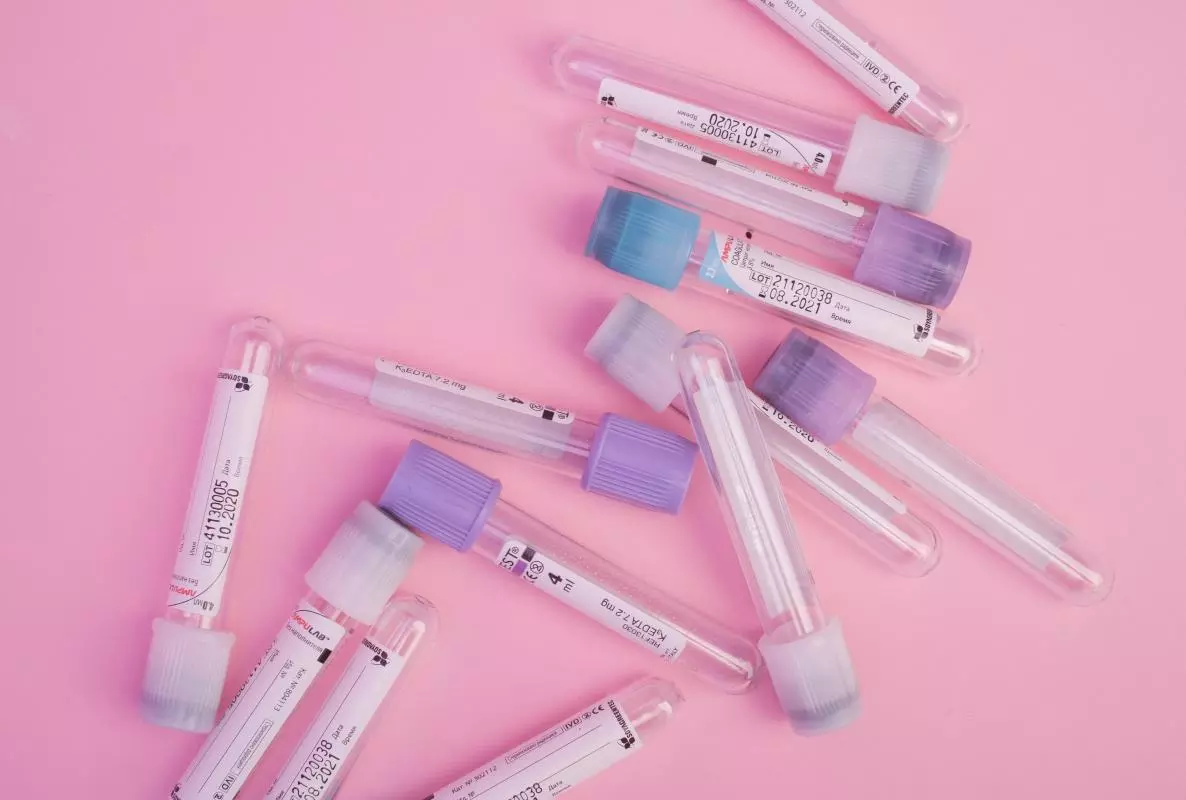
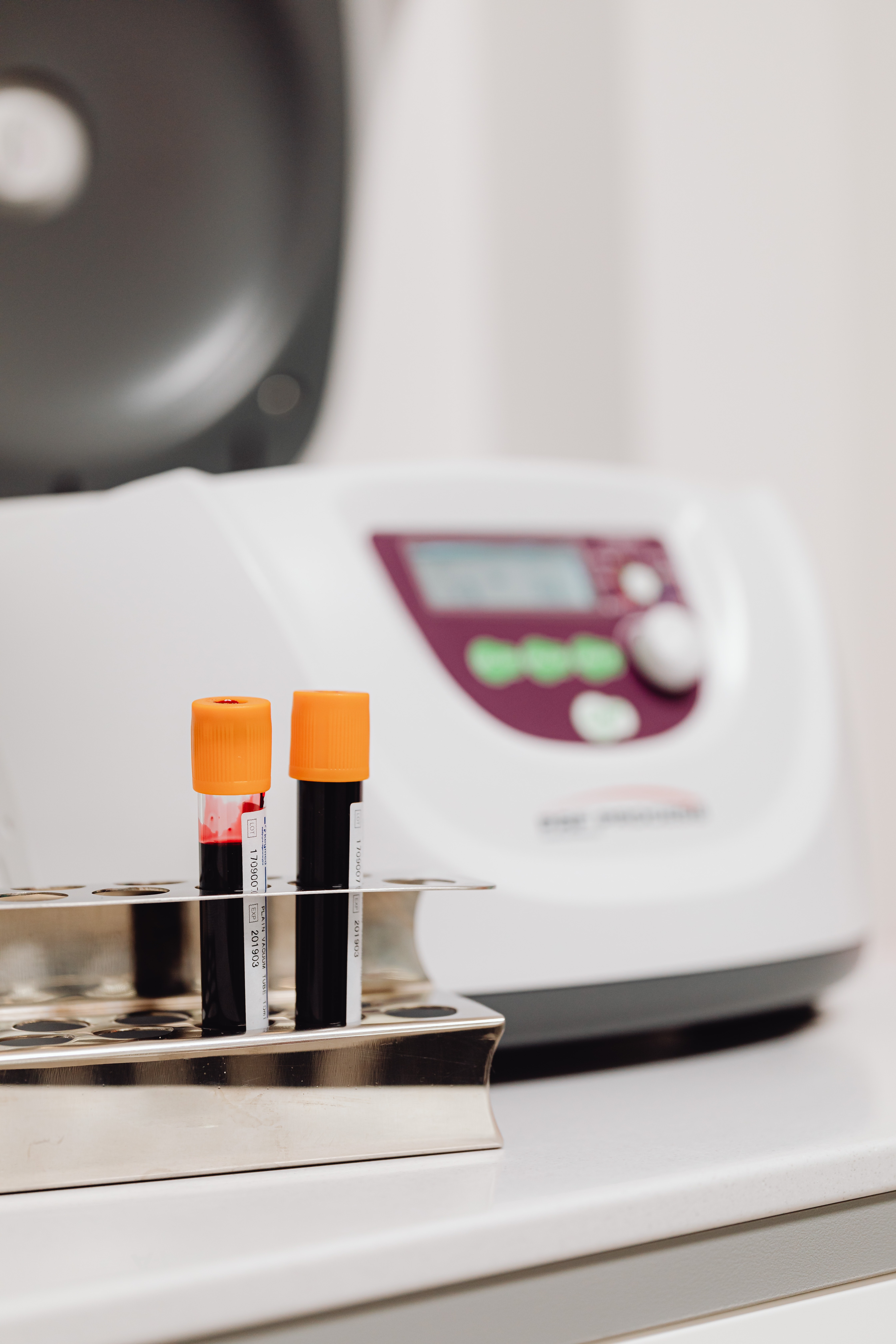
By using blood samples and skin biopsies taken from PAINSTORM participants, we will be able to perform a number of studies. We will study whether these samples can be used as a biomarker for neuropathic pain. Another use will be to study the properties of biological structures involved in the processing of pain, like ion channels. We can also study how genetic variants identified in Work Package 5 influence these structures.
The samples collected in PAINSTORM are a precious resource for research, as they come from a large number of participants with detailed information on their disease. The samples will be kept in a storage facility called a biobank. Other researchers will be able to apply to access these samples in future, to support further research on neuropathic pain.
Despite considerable investment in pre-clinical discovery using animal models, translating this knowledge into more effective therapies for patients with neuropathic pain has been challenging. We will use human biosamples from deeply phenotyped participants to advance understanding of neuropathic pain disease pathology, develop biomarkers for treatment stratification, aid direct target discovery and provide a lasting legacy.
The collection, transport, and processing of samples is harmonised across the PAINSTORM centres. We are collecting whole blood and plasma to allow comprehensive evaluation of genetic, transcriptomic, metabolomic and immunological factors associated with neuropathic pain. In addition, we are taking skin biopsies from people with diabetes or small fibre neuropathy to evaluate structural neural integrity.
Samples are shipped to and stored in the Imperial College Healthcare Tissue Bank (ICHTB). After the end of the project, responsibility for the samples will transfer to ICHTB. Its access committee will have ongoing representation from PAINSTORM. This will enable managed public access to bioresources.
Bio-samples will be used for a range of analyses to validate molecular pathways contributing to neuropathic pain, for instance:
- Neurofilament light chain;
- RNA sequencing;
- Automated patch clamp electrophysiology to study ion channels; prioritisation of which variants to study will be coordinated with Work Package 5;
- Induced pluripotent stem cells (iPSCs).
- At the start of the project we harmonised the collection of human skin and blood samples, as well as the procedures for processing and transporting samples across three PAINSTORM centres. These were summarised in a consensus protocol and a standard operating procedure. The deep patient phenotyping afforded by the PAINSTORM protocol creates a uniquely rich bioresource when linked to each sample.
- Legacy biobanking for PAINSTORM samples is provided through the Imperial College Healthcare Trust Tissue Bank, which will manage storage and requests to access samples, so that the PAINSTORM samples and data can continue to be useful to the research community:
- DNA extraction is completed and the genotyping is ongoing.
- There will be continued representation of PAINSTORM on the Imperial Biobank access committee through Prof Andrew Rice and Patient Partner Gordon Liddle.
- We agreed an authorship model for future use of PAINSTORM samples through the Imperial Biobank.
- Access to the biobank resources will use a cost-recovery model, whereby applicants wishing to access samples will be charged a fee to cover the sample processing and other biobank costs.
- The analysis of Calcitonin Gene-Related Peptide (CGRP) antibodies and neurofilament light chains (NfL) is ongoing, with 483 samples from Oxford, 241 from Dundee, and 354 from the FORECAST cohort. These samples yielded very high data quality and completeness.
- Patient Partners contributed to the co-production of a standardised acknowledgement section to thank participants of PAINSTORM in all future studies using PAINSTORM samples.
- There will be patient representation on the Imperial Biobank access committee and we ensured that remuneration for their time spent on the access committee would be included in the cost-recovery model.
- This paper studies rare genetic variants in Nav1.7, illustrating how patch clamp electrophysiology can be used to examine the functional impact of genetic variants: Rare NaV1.7 variants associated with painful diabetic peripheral neuropathy
- Andreas Themistocleous and Debra Ehrlich interview Ted Price for the Brain Podcast on his latest paper: "RNA profiling of human dorsal root ganglia reveals sex differences in mechanisms promoting neuropathic pain" (podcast | article)
- PAINSTORM was part of an initiative to build a common approach to human tissue collection and analysis in neuropathic pain studies. This white paper presents the consensus achieved on minimal recommended phenotyping, harmonised wet laboratory protocols, statistical design, reporting, and data sharing. Harmonizing neuropathic pain research: outcomes of the London consensus meeting on peripheral tissue studies
- The role of SLC45A4 identified in WP5 as a pain gene was examined in human induced pluripotent stem cells differentiated into sensory neurons. We found that SLC45A4 acts as a polyamine transporter and this regulates the excitability of human sensory neurons. SLC45A4 is a pain gene encoding a neuronal polyamine transporter